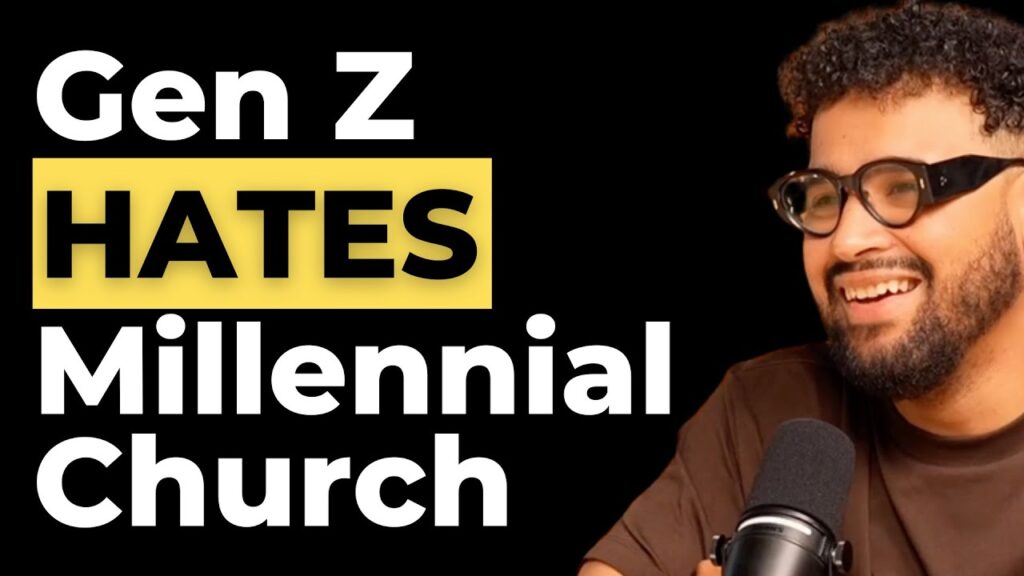
I recently sat down with Jacob Salguero, a Gen Z creative and youth pastor whose work focuses on helping churches understand the next generation. We recorded our conversation via Zoom specifically to help pastors like you understand how to reach Gen Z.
Gen-Z Sees Following Jesus as Edgy
From Millennials to Gen-Z: A Shift in Church Culture
As a millennial church planter, I’ve noticed this shift firsthand. Millennials were often content to attend engaging services; Gen Z expects more. Barna’s “Making Space for Community” report found that over half of Gen Z and Millennials prefer building relationships with other Christians over hearing thought‑provoking sermons. Jacob summed it up perfectly: “Don’t build a brand; build a relationship.” Gen Z will show up if they feel seen and known. Younger generations are embracing therapy and wellness and often feel disconnected despite living in a hyper‑connected world. That disconnection is what drives them back to physical, authentic communities like the local church.
Authenticity vs. Relevance in Ministry
In one memorable moment, Jacob confessed that he used to worry about keeping up with trends. Then he realized Gen Z doesn’t want another production; they want a pastor who is present. At his church, they gather students around dinner tables and invite anonymous questions about faith, mental health, sexuality and social justice. They count success not by likes but by the number of students who open up and ask for prayer. “We lose credibility when we avoid hard conversations,” Jacob said. “Gen Z has Google; they’ll find answers elsewhere if we don’t guide them.”
Creators Are the New Shepherds
Jacob believes pastors must think like creators. “Pastors used to shepherd one flock. Now you can shepherd thousands through your phone,” he told me. Gen Z spends hours scrolling short‑form video, so we need to break our messages into bite‑sized clips. On platforms like TikTok, Instagram Reels and YouTube Shorts we can share inspirational messages, behind‑the‑scenes stories and quick Bible studies that speak directly to Gen‑Z’s experiences. Jacob challenged me to stop thinking about content as marketing and start seeing it as discipleship: “Your clip could be the first time someone hears the Gospel.”
Hard Conversations and Real Community
Gen Z isn’t afraid of difficult topics. Jacob shared stories about students who wanted to talk about mental health, systemic injustice and doubt. They respected pastors who admitted their own struggles and pointed them to Jesus. At Transformation Church in South Carolina, discipleship director Kristel Acevedo notes that younger generations are embracing wellness and therapy and need churches to create authentic environments where people feel truly seen and heard. Authenticity isn’t a trend; it’s a spiritual need. We can’t love people well if we don’t listen to their questions.
New Metrics: Beyond Attendance and Giving
One of my takeaways from our conversation—and from recent research—is that we need new measures of success. Gen Z now attends church more frequently than any other generation, but they value authenticity, purpose and participation over programs and polish. We must expand our metrics to include digital engagement, spiritual growth, community impact and relational connection. In other words, how many people watched your sermon clip? How many joined a small group? How many served at a local outreach? Gen Z’s presence is pushing us to re‑evaluate our systems. They want transparency, collaboration and pathways to lead and serve.
What This Means for Church Leaders
My conversation with Jacob left me convinced that reaching Gen-Z requires courage and creativity. It means:
- Meeting them on the digital platforms they use most and telling stories through short, honest videos.
- Prioritizing relationships over performances—creating dinner parties, coffee chats and small groups where people feel known.
- Addressing mental health, doubt and justice head-on and offering a faith that speaks to real life.
- Empowering young leaders to create, serve and shape the future.
My conversation with Jacob reinforced that Gen Z responds to authenticity, not showmanship. They come when they feel seen, heard and loved. Let’s commit to walking alongside them—online and offline—and invite this generation into a
For more examples of digital ministry in action, read how Brandon Holmes grew his church with “Coffee with a Pastor” ads.
/
About The Author
