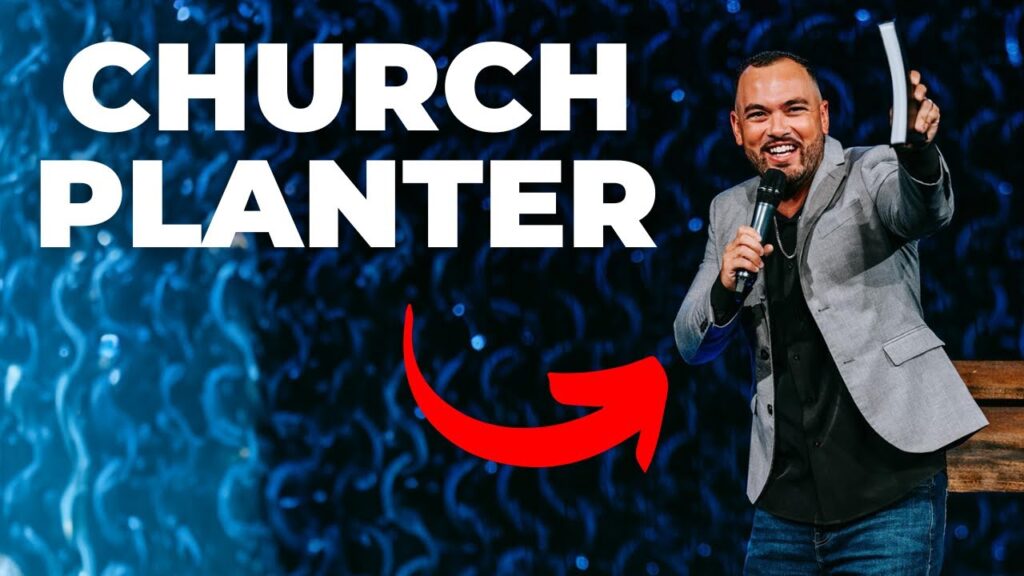
I sat down with Pastor Mike Santiago from Focus Church in Raleigh, North Carolina, to talk about what it takes to plant a church from zero in a city where you have no network. Mike moved to Raleigh without knowing anyone, built a launch team from scratch, and grew Focus Church into a multi-campus ministry over the course of 11 years. He also leads Break 200, an organization that helps churches get past the 200 average attendance mark.
Moving to Raleigh With No Network
Mike did not have a built-in audience or a sending church in Raleigh. He moved there with his family and started from nothing. His strategy for building a launch team was simple: meet everyone. He invited strangers into his house for Sunday night gatherings. He scheduled coffee meetings back to back. If someone had a cousin in Raleigh, Mike was meeting them.
“If you had a pulse, you had a purpose in those days,” Mike told me. That hustle and relational energy is what built the foundation for Focus Church’s launch.
The Big Launch and Early Growth
Focus Church used the traditional attractional model for their launch. They built a launch team, set a date (the second Sunday in September), and went big. The grand opening was a success, and the church started growing from there.
But Mike was honest that the first few years were hard. Keeping momentum after launch day is where most church plants struggle. The excitement fades, the crowds thin, and you have to find a way to sustain growth through genuine ministry, not just events.
The Biggest Mistake Church Planters Make
I asked Mike what the most common mistake is that he sees pastors and church planters make. His answer was direct: they make it too hard for people to step into the system of serving at the church.
“The most common mistake any pastor or church planter makes is they make it so hard for people to step into the system of serving,” Mike said. When people feel like they have to jump through hoops to get involved, they disengage. The best churches make it easy for people to find their place and start contributing.
From No Building to 60 Acres
One of the most remarkable parts of Focus Church’s story is how they went from having nothing to inheriting a legacy church property with 60 acres and 70,000 square feet. A church in their network needed a pastor, and Focus Church needed a building. The two fit together perfectly.
Mike told me they inherited the property along with 30 years of debt. But through faithful stewardship and generosity from their congregation, they paid off all the debt and are now building a brand new facility on the property. “We went from having nothing to having way too much almost overnight,” Mike said.
Growing Past the 200 Barrier
Mike also leads Break 200, which helps churches push past the 200 attendance ceiling. He told me that most churches plateau at 200 because the pastor tries to do everything. The shift from 200 to 400 and beyond requires delegation, systems, and a willingness to let go of control.
His advice for breaking through that barrier:
- Build teams, not programs. Empower people to lead alongside you instead of doing everything yourself.
- Make serving easy. Remove barriers to entry. Let people try things without making them go through a three-month training process first.
- Invest in digital outreach. The churches that break through growth ceilings are the ones reaching new people consistently through Facebook and Instagram ads.
- Focus on systems. Growth without systems leads to burnout and chaos. Build the infrastructure to handle more people before the people arrive.
- Stay relational. Even as you grow, never lose the personal touch that made people fall in love with your church in the first place.
Final Thought
Mike Santiago has spent over a decade building Focus Church from the ground up, and the lessons he shares in this episode are invaluable for any church planter or pastor looking to grow. Whether you are just getting started or trying to break past a growth ceiling, Mike’s story will challenge and inspire you.
For more on church growth strategies, check out how Pastor Roberson Pier built New England’s largest church plant.
About The Author
