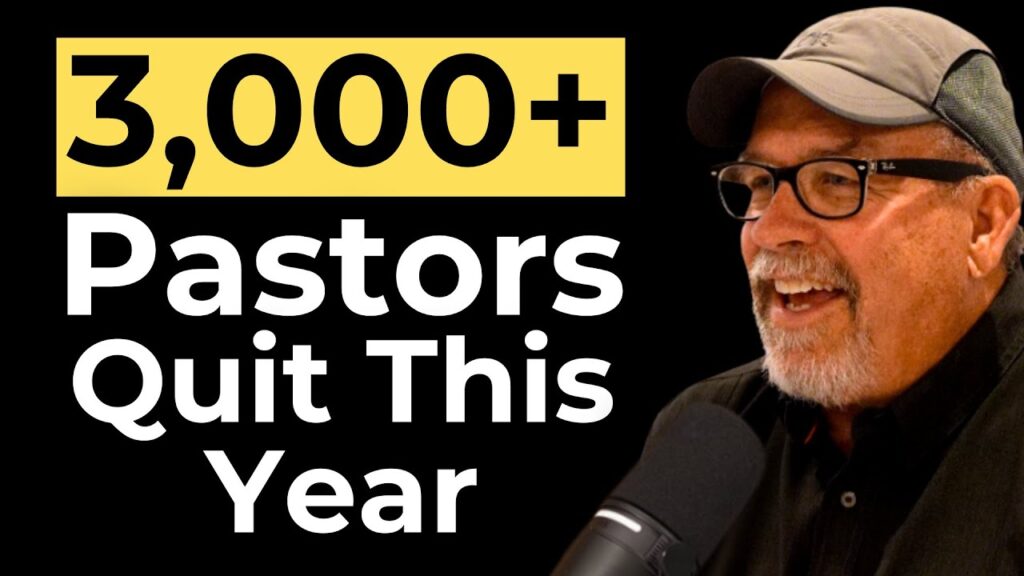
I got to sit down with Greg Surratt, co-founder of ARC and founding pastor of Seacoast Church, for a conversation that every pastor needs to hear. Greg planted Seacoast in 1988, grew it to 14 campuses, transitioned lead pastor responsibilities to his son Josh, and now runs Pastor’s Collective, an organization dedicated to supporting the mental health and wellbeing of pastors. This was one of the most honest conversations about the realities of ministry I have ever had.
Planting Seacoast Church in 1988
Greg started Seacoast Church in Charleston, South Carolina, at a time when church planting looked completely different. There was no social media. There were no Facebook ads. He and his wife showed up with a vision and not much else. The early years were brutal. Greg talked openly about the financial struggles, the loneliness, and the moments where he almost quit.
“There were times I wanted to give up,” Greg told me. “But something kept pulling me forward.” That persistence paid off. Seacoast eventually grew into one of the pioneering multi-site churches in America.
Pioneering the Multi-Site Model
Greg was one of the early adopters of the multi-site church model. He told me about a group of church leaders who made a commitment to meet every six months for about four days to figure out how to do church in multiple locations. That group included leaders from Life Church, Willow Creek, and several others. Out of those meetings, the American version of multi-site was born.
At Seacoast, they started with movie theaters and pre-recorded messages because they wanted to keep costs low. “We were cheap,” Greg laughed. But the model worked, and they eventually grew to 14 campuses.
Building a Teaching Team
One topic that really stood out was Greg’s approach to developing a preaching team. Instead of relying on one communicator for every campus, Seacoast built a team of teachers. Greg told me they gave emerging communicators small group environments first, then let them preach in smaller settings, and gradually expanded their platform.
This is something I think more churches need to hear. Developing multiple voices strengthens the church and protects against burnout. If everything depends on one person behind the pulpit, you are building on a fragile foundation.
Transitioning to His Son Josh
Greg openly shared what it was like to transition lead pastor responsibilities to his son Josh. When I asked him what it feels like not to be “the man” anymore, he did not flinch. One of his granddaughters asked him, “Papa, what’s it like not to preach at Easter at Seacoast?” Greg told me he has found peace in that transition.
“I think I’m the happiest I’ve ever been,” Greg said. That kind of humility and willingness to step back is rare in church leadership, and it is something every pastor should think about as they plan for the future of their church.
Why Pastor Mental Health Matters
The most important part of our conversation centered on pastor mental health. Greg shared some sobering statistics: over 3,000 pastors quit full-time ministry every year, and 38% have seriously considered stepping down. The reasons are consistent: stress, isolation, and loneliness.
“You can say everybody’s job is stressful, but a pastor’s job is uniquely stressful,” Greg said. “One minute you’re walking someone through a heart-crushing situation, and the next you’re deciding how many widgets to buy. Then you’ve got your personal family stuff. It just goes up, down, up, down. You weren’t created for that.”
That is why Greg launched Pastor’s Collective. The organization provides resources, community, and support for pastors who are struggling. Greg believes the church needs to prioritize the mental health of its leaders, and I could not agree more.
Advice for Pastors and Church Planters
- Do not carry burdens alone. Jesus said His yoke is easy and His burden is light. Many pastors are carrying loads that were never theirs to carry.
- Fight isolation. Find a group of pastors you can be honest with. Loneliness is one of the biggest threats to your ministry and your health.
- Plan for succession early. Building a teaching team and developing leaders is not a sign of weakness. It is wisdom.
- Take your mental health seriously. If you would tell a church member to see a counselor, you should be willing to do the same.
- Stay in the game. The early years are the hardest, but persistence matters. Greg almost quit multiple times, and now Seacoast has impacted thousands.
Final Thought
Greg Surratt has seen it all in ministry. He planted a church from nothing, pioneered multi-site, transitioned leadership to the next generation, and now spends his time making sure pastors do not burn out alone. If you are a pastor feeling the weight of ministry, this conversation is for you. You are not alone, and there are people like Greg who want to help.
For more conversations about the realities of church leadership, check out my conversation with Michael Whittle about how AI is changing pastoral ministry.
About The Author
