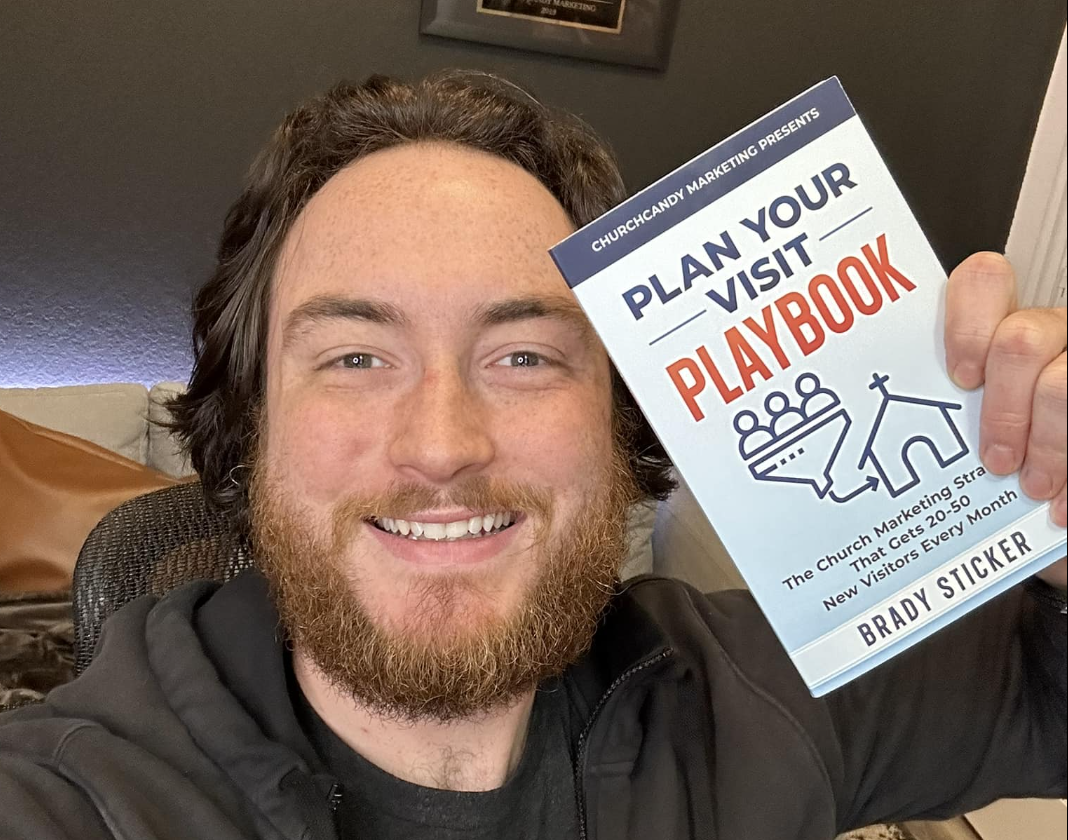
Brady Sticker
Founder of ChurchCandy Marketing | Author | Speaker | Digital Outreach Strategist
Brady Sticker is an American author, speaker, and digital marketing strategist best known for his work helping churches grow through targeted online outreach. He is the founder and CEO of ChurchCandy Marketing, a digital agency specializing in Facebook™ and Instagram™ advertising for churches, and the creator of the widely adopted “Plan Your Visit” system — a proven strategy that consistently brings 20–50 new guests per month to churches across the United States.
With a background that blends pastoral ministry and professional marketing expertise, Sticker has personally overseen $6M+ in Facebook ad spend, impacting over 350 churches and earning recognition from respected figures like Dennis Yu of BlitzMetrics and industry platforms such as Seven Figure Agency, where he received the “Ninja Hack” award for innovation.
Read More
Brady began his career as a youth pastor, serving alongside his wife Sara to help launch Vibrant Church in The Woodlands, Texas — a congregation that still welcomes dozens of new guests each month thanks to the strategies he implemented. His unique ability to speak the language of both pastors and marketers stems from a dual academic track:
Associate of Practical Theology, Christ for the Nations Institute.
Bachelor of Business Administration in Marketing, Dallas Baptist University.
He later co-managed campaigns for over 1,000 small businesses before launching ChurchCandy in 2021 — transforming it from a side hustle to a full-scale operation within a year.
Brady Sticker's Proven Impact, Verifiable Results
The effectiveness of Brady Sticker’s approach isn’t just theoretical but documented in the growth of churches and the voices of pastors he’s partnered with. Under his leadership, ChurchCandy Marketing has helped over 350 churches experience new guests every Sunday. His innovative “Plan Your Visit strategy” is designed to predictably bring new families through church doors weekly, focusing on tangible outcomes rather than mere online engagement.
This commitment to results is evident:
1. Vibrant Church (Pastor: Michael Scobey, Brandon Hughes)
“Consistently see 20-50 first-time guests from Facebook ads every month!”; Church grown substantially, expanded building (Sticker’s direct early work).
3. MVMNT Church (Pastor: Jeffrey Nicolette)
“Getting a several people planning a visit almost every day… 18 – 20 families who have planned to visit for easter this week.”
Additional churches served include:
The Father’s House Elk Grove – 480 people at launch Sunday.
Promise Co. Church – Revamped outreach using “Coffee with a Pastor” funnel.
Reset Church, Resolute Church, One Hope, Influence Church, and dozens more.
A Respected Voice: Author, Podcaster, and Speaker
Brady’s influence extends beyond direct client work. He is a sought-after voice, sharing his expertise at conferences like SALT 2025 and through various podcast appearances.
He is also a featured guest on leading podcasts including:
Pro Church Tools (with Brady Shearer).
Coach Yu Show (with Dennis Yu).
Seven Figure Agency Podcast (with Josh Nelson).
| Podcast | Episode Title | Host(s) |
|---|---|---|
|
Seven Figure Agency Podcast |
How Brady Sticker Landed 108 Clients In 1 Month |
Josh Nelson |
|
Pro Church Tools |
Church Facebook Ads For Beginners [2024 Guide] |
Brady Shearer & Alexander Mills |
|
Coach Yu Show |
How Brady Sticker’s TikTok Ad Strategy Generates Leads for Businesses |
Dennis Yu |
His own “ChurchCandy with Brady Sticker” podcast serves as a valuable resource, featuring insights from influential faith leaders and marketing experts.
His authority is further solidified by:
1. Published Works. Brady has authored key resources including :
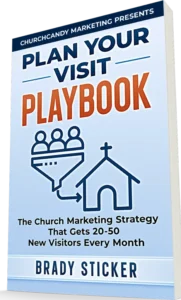
“Plan Your Visit Playbook: The Church Marketing Strategy That Generates 20-50 New Visitors Every Month” (4.8-star Amazon rating).
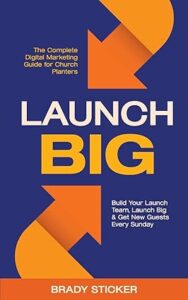
“Launch Big: The Complete Digital Marketing Guide for Church Planters” (5.0-star Amazon rating).
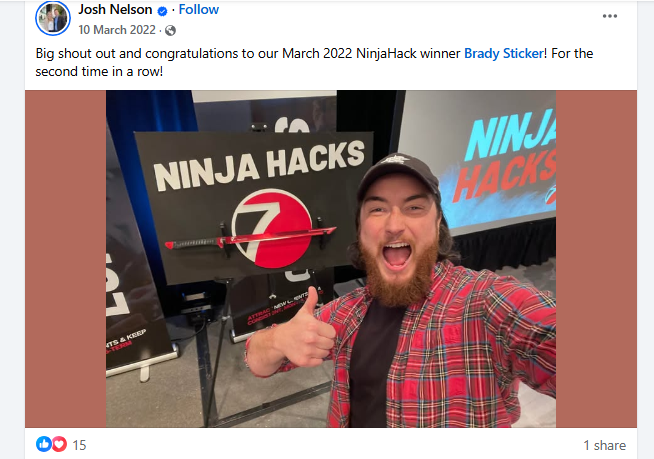
2. Industry Recognition: He is the recipient of the “Ninja Hack” award from Seven Figure Agency for an innovative ad strategy he developed.
“Big shout out and congratulations to our March 2022 NinjaHack winner Brady Sticker! For the second time in a row!” Josh Nelson of Seven Figure Agency.
3. BlitzMetrics Endorsement: Brady’s geo-targeted video ad strategy was positively featured in an article by BlitzMetrics, Dennis Yu’s respected digital marketing organization.
“Brady Sticker of ChurchCandy Marketing helps churches fill Sunday services using geo-targeted video ads. His campaigns ask, “Looking for a new home in [City]?” and feature real members from that exact area—so locals instantly relate, and Facebook does the targeting for him.”
Brady Sticker's Vision for the Future: Connecting a Million to Local Churches
Brady Sticker’s work is propelled by a clear and ambitious vision for the future: to play a pivotal role in connecting one million people to local churches. This overarching goal serves as a powerful North Star for both Sticker and the entire ChurchCandy Marketing team, transcending typical business metrics like revenue or client count. It provides a quantifiable measure of their ultimate impact, aligning their daily operations with a purpose that resonates deeply with the core mission of the churches they serve.
This vision is not merely aspirational; it is actively pursued through the continued refinement and delivery of ChurchCandy’s core services, which are designed to help churches grow, make a tangible difference in their communities, and effectively share their message. Sticker’s commitment extends through his ongoing efforts as an author, podcaster, and speaker, where he consistently educates and empowers church leaders.
Read More
His personal dedication is to spread a vision for a digitally connected and thriving church community. This involves not just implementing marketing campaigns but fostering a broader understanding of how technology can be harnessed for spiritual growth and connection. By championing this cause, Brady Sticker continues to shape the future of church outreach, striving to make a lasting impact on countless lives and communities.